Curated historical drama monologues for actors at every level.
9 scenes available
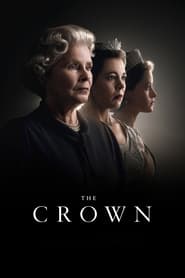
The Crown
by Peter Morgan
Queen Elizabeth II reflects on the immense personal sacrifice and loneliness inherent in her role as monarch, describing the constant scrutiny and the need to suppress personal feelings for the sake of the Crown.
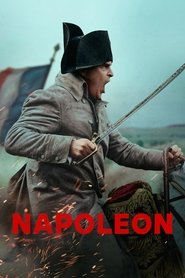
Napoleon
by David Scarpa
Napoleon reflects on the devastating toll of his Russian campaign in a letter to Josephine, detailing the loss of men and horses. He grapples with the logistical failures of his army and the waning ambition of his generals as they push toward Moscow.
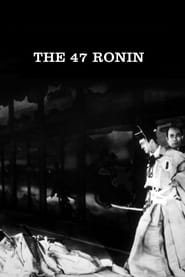
47 Ronin
by Chris Morgan
Lord Kira uses the art of bonsai to deliver a chilling metaphor about control and submission. He explains how an artist must prune and coerce a tree to achieve beauty, subtly threatening Mika with the same inevitable fate of breaking her will.
The 47 Ronin
A narrator establishes the historical and cultural stakes of feudal Japan, explaining the rigid social hierarchy and the code of bushido. The speech defines the profound disgrace of becoming a ronin and sets the stage for a tale of loyalty and lost honor.
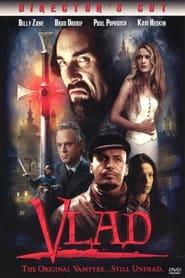
Vlad
by Charlie Hunnam
Vlad delivers a powerful rallying cry to his soldiers on the banks of the Danube as the Ottoman fleet approaches. He invokes the trauma of their past slavery and their duty to Christendom to inspire them to fight against overwhelming odds.
Henry V
by William Shakespeare
On the eve of the Battle of Agincourt, King Henry rallies his exhausted and outnumbered troops with a powerful oration on honor and brotherhood. He rejects the need for more reinforcements, asserting that the fewer the men, the greater the share of glory for those who fight.
Henry IV, Part 1
Prince Hal reveals his calculated plan to temporarily indulge in a rebellious lifestyle so that his eventual transformation into a noble king will appear more dramatic and impressive. He compares himself to the sun breaking through clouds, suggesting that his current 'idleness' is a strategic mask to manage public perception.
The Butler
by Danny Strong
Malcolm X delivers a provocative speech comparing the historical dynamics of house and field slaves to the modern civil rights movement. He challenges the philosophy of non-violence, causing a deep internal conflict for Louis as he reflects on his father's profession and his own activism.
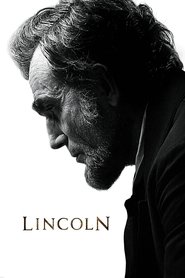
Lincoln
by Tony Kushner
President Abraham Lincoln delivers a complex legal and moral justification for the Emancipation Proclamation to his cabinet. He explores the paradoxical 'slippery' logic of using war powers to seize slaves as property while simultaneously maintaining they are free men, ultimately arguing for the necessity of the Thirteenth Amendment to ensure permanent abolition.